
All Tears Are Not Created Equal
Friday, March 25, 2011Tears. They leak out when we cut onions or get dirt in our eyes. They fall profusely when we're sad and stricken by grief, moved with co...
Friday, March 25, 2011
Tears. They leak out when we cut onions or get dirt in our eyes. They fall profusely when we're sad and stricken by grief, moved with compassion and love, or angry and hurt.
All tears seem to be made of the same stuff, but I'm convinced that's not the case.
I cried twice last week. Once over a traumatic scene in a book and once because I was angry and frustrated and severely premenstrual.
I'm convinced those angry, frustrated tears are toxic. Why? Because when I popped my contacts in the next day it was like looking through etched glass. I've worn contacts for almost 30 years, and I've experienced this phenomenon more than once. Tears shed in anger (during a fight with a spouse or child, for instance) are contact killers. I still haven't found out exactly what is in those tears that reacts with my lenses, but whatever it is, it's potent.
Of the three types of tears produced by our lacrimal glands, emotion-generated tears are believed to flush out excess hormones produced by stress, as well as releasing endorphin-type chemicals. Maybe that's why women are more prone to bouts of tears during certain times of the month... we need to dump some excess hormones from the system!
University of Minnesota biochemist and research scientist Dr. William Frey, PhD, has suggested resisting the urge to cry may result in a build-up of toxins that harm other organs instead of being rinsed harmlessly away.
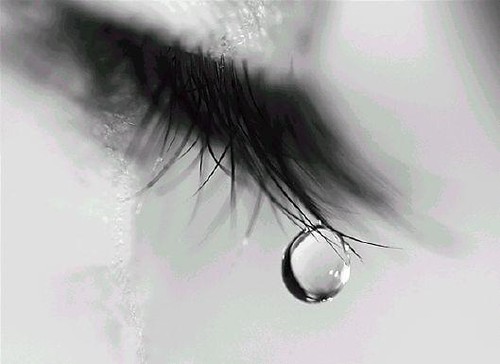 | |
| photo by *TreMichLan* | via PhotoRee |
I'm convinced those angry, frustrated tears are toxic. Why? Because when I popped my contacts in the next day it was like looking through etched glass. I've worn contacts for almost 30 years, and I've experienced this phenomenon more than once. Tears shed in anger (during a fight with a spouse or child, for instance) are contact killers. I still haven't found out exactly what is in those tears that reacts with my lenses, but whatever it is, it's potent.
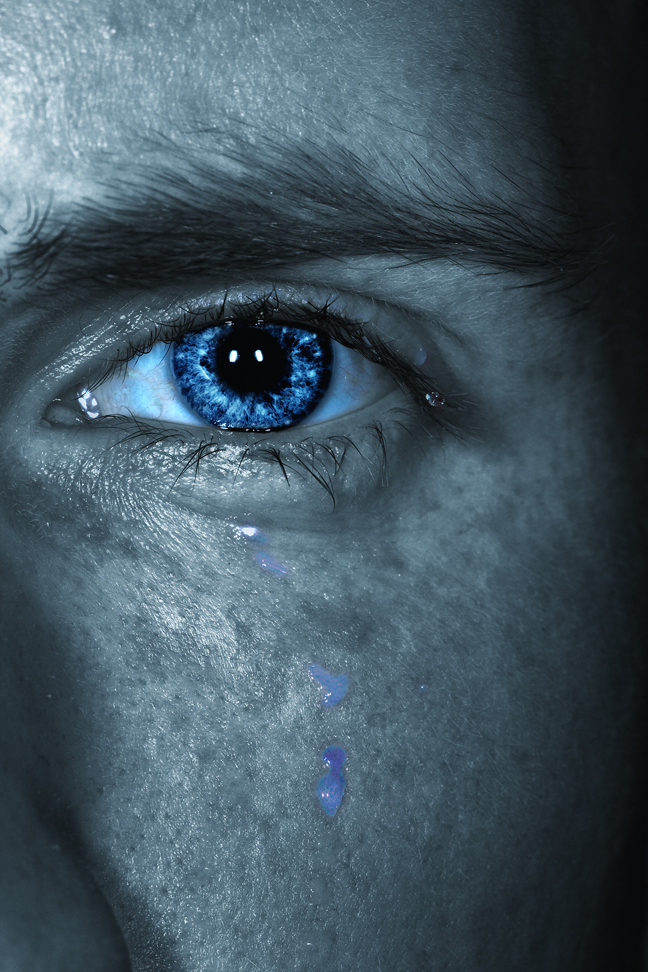 | |
| photo by TimOve | via PhotoRee |
University of Minnesota biochemist and research scientist Dr. William Frey, PhD, has suggested resisting the urge to cry may result in a build-up of toxins that harm other organs instead of being rinsed harmlessly away.
The sorrow which has no vent in tears may make other organs weep."Having a good cry" may well be the healthiest way to respond to stress. Likewise, shutting down that natural reaction out of fear or shame could contribute to or exacerbate, other health problems. It makes me wonder if our distaste for the shedding of tears, especially in public, ("big girls/boys don't cry," "don't be a crybaby," etc.) is partially to blame for some of our modern health issues.
~Henry Maudsley, pioneering British psychiatrist (1835-1918)

 Posts
Posts


